Case 01 · 2023
Future City VR + EEG
Planners got 50+ spatial insight points and found three layout bottlenecks before anything was built.
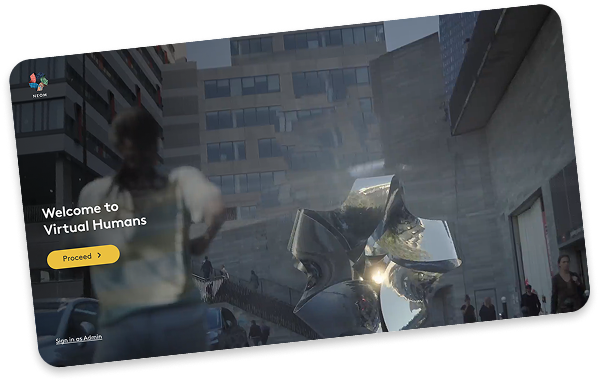 Overview
01 / The challenge
Let people walk an unbuilt city without getting sick, and turn raw brainwaves into insights planners could use without a data scientist.
I designed a 1:1 city in VR and a dashboard that turned live EEG into stress, delight, and fatigue planners could act on.
25+
Participants
50+
Insight points
03
Bottlenecks found
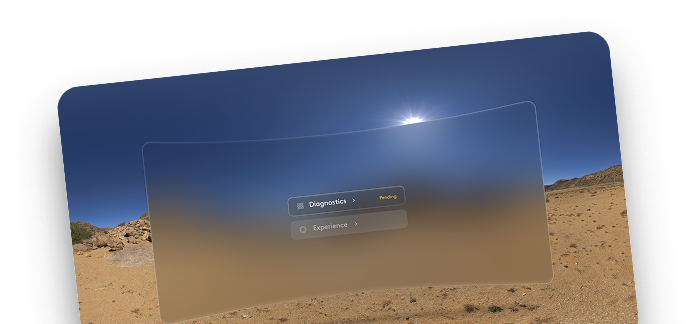
02 / Screens & moments
03 / How I worked
The approach.
Design spatial comfort
Established movement, depth, ambient, and wayfinding rules for a legible 1:1-scale environment.
Synchronize signals
Connected participant position, environmental state, and EEG events on a shared session timeline.
Make emotion actionable
Converted brainwave spikes into comparative maps and plain-language spatial findings.
What was broken
- Poor spatial cues risked motion discomfort and cognitive overload.
- Survey responses interrupted immersion and captured stated rather than felt reactions.
- Raw Alpha, Beta, and Theta signals were inaccessible to planning stakeholders.
What I aimed for
- Preserve presence while collecting passive emotional evidence.
- Connect biometric events to exact locations in the virtual city.
- Translate neuro-data into clear stress, delight, fatigue, and engagement patterns.
04 / Results
What moved.
Captured more than 50 actionable architectural insight points.
Identified three major layout bottlenecks before construction.
Made biometric evidence usable by planners without a data-science intermediary.
Next case study